Health Tourism
International Patient Office Workflow for Hospitals: Quotes, Insurance, Transfers, Accommodation and Post-Op
Wease Team · · 6 min read
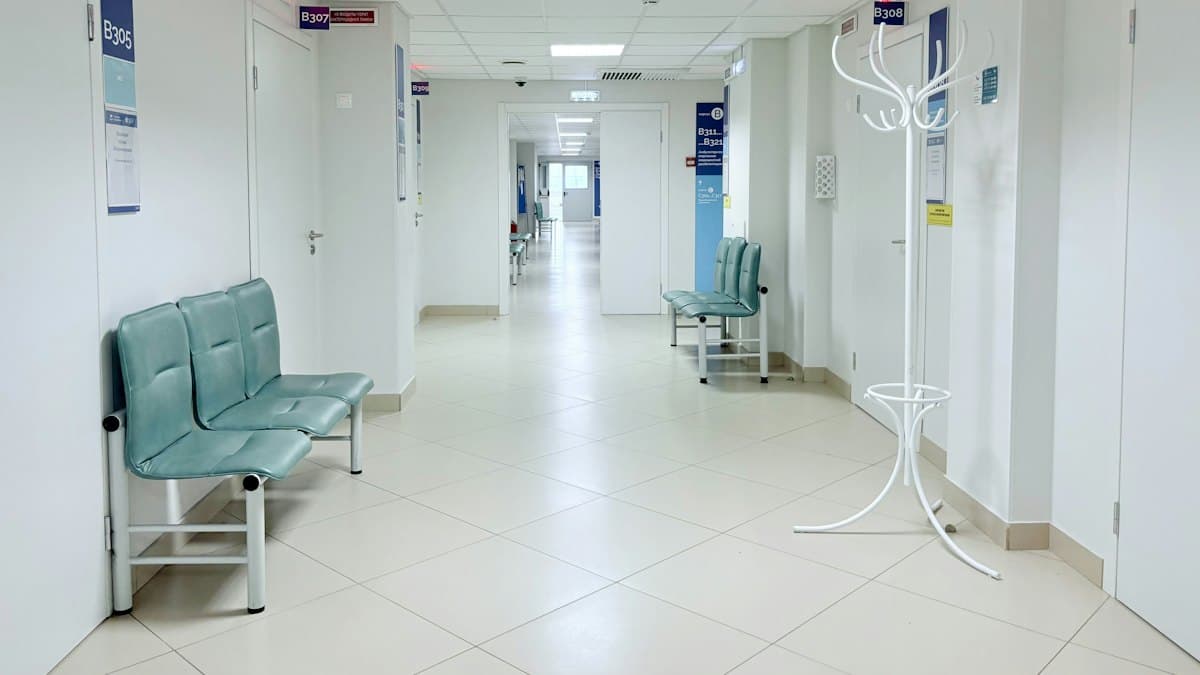
A hospital's international patient office handles requests from many countries at once and, for each patient, coordinates doctors, insurers, transfer companies and hotels. When that coordination runs through email chains, separate spreadsheets and personal messaging apps, information is bound to get lost between steps. This guide sets out an end-to-end workflow for an international patient office, step by step.
What is an international patient office?
An international patient office is the hospital unit that coordinates every process for patients who come from abroad for treatment, from their first request to follow-up after discharge, working with the hospital's other departments.
The office is the patient's single point of contact at the hospital. For the patient, it lowers language, cultural and administrative barriers. For the hospital, it makes sure the right patient reaches the right department at the right time.

What steps make up the end-to-end workflow?
The international patient workflow usually has eight steps. Each one needs an owner, a target time and clear criteria for moving to the next.
- Receiving and logging the request
- Medical review
- Preparing the quote
- Insurance and payment approval
- Transfer planning
- Accommodation
- Surgery and the hospital stay
- Post-op and post-discharge follow-up
Let's look at each step in detail.
1. How should requests be received and logged?
Requests arrive through WhatsApp, Instagram, Facebook Messenger, Telegram, email and web forms. The first rule is that every request opens as a single patient record in a single system.
At this stage, the record should include the patient's contact details, language, country, complaint, any medical documents and the channel the request came from. Automatic lead assignment gets the request straight to an available coordinator who speaks the patient's language.
2. How can medical review be sped up?
Medical review is the step where patients wait longest. Reports, imaging and lab results the patient has sent go to the relevant doctor.
To speed it up:
- Ask the patient for missing documents once, with a clear list.
- Track records waiting for a doctor's review in a separate status.
- Set reminders and alarms for records that have been waiting too long.
3. How should the quote be prepared?
The quote is based on the treatment plan recommended by the doctor. It should clearly state the scope of treatment, the estimated length of stay, what is and is not included, and how long the quote is valid. Presenting it in the patient's language and in a simple format reduces misunderstandings later.
After the quote is sent, set up planned follow-up messages. A patient who goes quiet is usually still deciding and waiting for answers to their questions.
4. How is insurance and payment handled?
Some patients pay for treatment themselves. Others come through an insurer or a corporate agreement. For insured patients, pre-authorization and approval can take time.
Record correspondence with the insurer, the approval status and the approval date in the patient record. Not starting travel planning until approval arrives lowers the risk of cancellations and changes.
5 and 6. How are transfers and accommodation coordinated?
Once the patient confirms dates, logistics begin:
- Flight details and arrival time are added to the record.
- Airport pickup and transfer to the hospital are arranged.
- Accommodation is booked for the patient and anyone accompanying them.
- Interpreter support is arranged if needed.
A shared calendar keeps these arrangements from clashing with appointments and surgery dates. Task sharing makes it easy to assign transfer and accommodation work to the right team members.
7. What is the office's role during surgery and the hospital stay?
When the patient arrives, the international patient office remains the communication bridge. It keeps the patient and family informed, coordinates appointments between departments and prepares the discharge plan.
Communication during this stage should also be kept in the same record, so whoever handles follow-up after discharge knows what happened in hospital.
8. How should post-op follow-up be planned?
Post-op follow-up does not end when the patient flies home. For effective follow-up:
- Add the check-up times set by the doctor to the calendar and the patient record.
- Set up planned check-ins at regular intervals to ask how the patient is doing.
- Pass the patient's questions and documents on to the right doctor.
- Arrange a remote check-up or another visit if needed.
- When the process is complete, hold a satisfaction conversation.
A checklist for your workflow
Use these questions to review your international patient office's workflow:
- Does every request open as a single patient record, whatever channel it came from?
- Does every step have a defined owner and target completion time?
- Can records waiting for medical review be tracked in a separate status?
- Are insurance approval status and dates visible in the patient record?
- Are transfer, accommodation and appointment dates in the same calendar?
- Is everything the patient has been told or promised on record?
- Are reminders set for post-discharge check-up dates?
- Can a manager see on one screen how many patients are waiting at each step?
If you answer "no" to any of these, there is a point in your workflow where information can get lost. Starting with the step that causes the longest delays usually has the most visible impact. To find that step, look at the dates in patient records and reports rather than relying on gut feeling.
How can coordination between teams be strengthened?
Several roles work together in an international patient office: coordinators, interpreters, insurance staff and managers. To strengthen coordination:
- Define roles and permissions: Each user should see only the information their job requires.
- Share tasks: The owner of every step should be clear in the system.
- Watch the reports: Use real-time dashboards to see how many patients are waiting at each step.
- Enable mobile access: Coordinators should get push notifications while moving around the hospital.
Handling patient data in line with GDPR, HIPAA and KVKK is a basic requirement for any hospital working with international patients. Wease CRM was designed to track this workflow in one system, drawing on Infotec Group's 20 years of experience with hospital information systems.
Conclusion
An international patient office succeeds or fails on how smoothly handovers between steps go. When request, review, quote, insurance, transfer, accommodation, surgery and post-op follow-up are tracked in a single patient record, with owners and dates, both the patient experience and team efficiency improve.
To see how you can set up your hospital's international patient workflow in Wease CRM, request a demo.
Frequently asked questions
What does an international patient office do?
An international patient office coordinates requests, medical review, quotes, insurance, travel, accommodation, treatment and post-discharge follow-up for patients from abroad, working with the relevant departments inside the hospital.
Where does the international patient workflow most often break down?
Usually at handovers between teams: a medical review that sits waiting, a delayed insurance approval, or transfer and accommodation details lost between people. Keeping the owner and date of every step in one record reduces these risks.
Why should post-op follow-up be part of the workflow?
Questions and check-up needs that come up after the patient returns home matter for completing treatment safely and for patient satisfaction. Post-op follow-up should therefore be a planned step that does not close at discharge.
How does Wease CRM support this workflow?
Wease CRM tracks the patient journey in one record, from first message through quote, insurance, transfer, accommodation, surgery and post-op follow-up, and supports coordination between teams with roles and permissions, task sharing, a calendar and real-time reports.
Wease CRM
Request a DemoMore articles

Health Tourism
What Is a Health Tourism CRM and How Do You Choose One? A 12-Point Checklist
What a health tourism CRM is, how it differs from a generic CRM, and a 12-point checklist for clinics, hospitals and agencies choosing one.
· 5 min read

Lead Management
How to Manage Patient Messages from WhatsApp, Instagram and Messenger in One Inbox
Why clinics should bring WhatsApp, Instagram DM, Messenger, Telegram and email patient messages into one shared inbox, and how to set it up step by step.
· 6 min read
Clinic Operations
International Patient Lead Follow-Up for Dental Clinics: From First Message to Post-Implant Check-Up
How dental clinics can follow up international patient leads: first reply, X-rays and treatment plan, quote, travel, treatment and post-implant check-ups.
· 5 min read