Clinic Operations
International Patient Lead Follow-Up for Dental Clinics: From First Message to Post-Implant Check-Up
Wease Team · · 5 min read
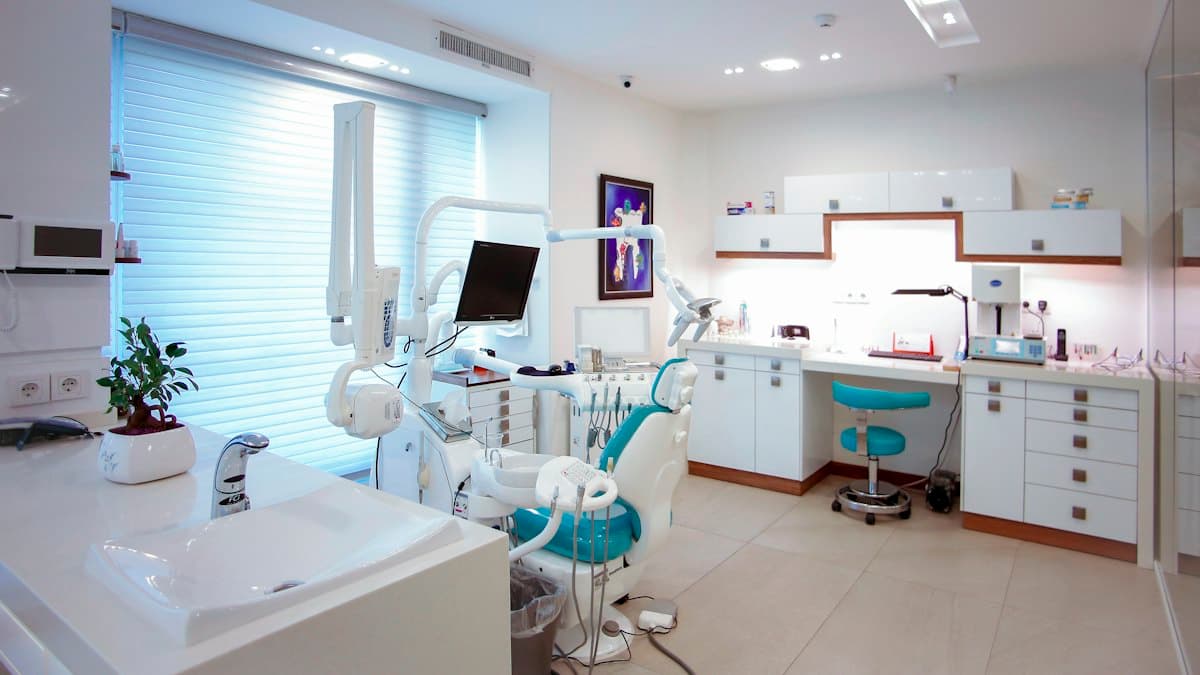
Dental tourism is one of the busiest areas of health tourism. International leads usually arrive asking about a smile makeover, implants or crowns. Getting from that first question to a completed treatment often takes more than one trip and months of follow-up. This guide walks through each step of following up international leads in a dental clinic.
What does lead follow-up mean in a dental clinic?
In a dental clinic, lead follow-up means recording, planning and keeping up every contact with a prospective patient, from their first message through to finished treatment and check-ups.
With local patients the process can be short. With international patients, different languages, time zones, travel plans and multi-stage treatments stretch it out, so follow-up needs to be systematic.
What stages does a dental tourism patient journey include?
A typical international dental patient goes through these stages:
- First message: The patient asks for a price or information on WhatsApp, Instagram or a web form.
- Preliminary assessment: The clinic asks for X-rays or intraoral photos, and the dentist reviews them.
- Treatment plan and quote: The patient receives treatment options, an estimated timeline and the price.
- Decision and booking: The patient picks dates and, if needed, pays a deposit.
- Travel arrangements: Airport transfer and accommodation are planned.
- First visit and treatment: Examination, tests and the first planned stage of treatment.
- Interim follow-up: The patient returns home and healing is followed remotely.
- Second visit: For implants, the patient comes back for the restoration stage, according to the dentist's plan.
- Check-ups: Regular post-treatment check-ups and a satisfaction conversation.
If communication breaks down at any of these stages, the patient either goes to another clinic or the rest of their treatment is left uncertain.
Why is the first message so important?
Prospective patients often write to several clinics at once. How fast and how well you answer first plays a big part in which clinic they keep talking to.
A good first reply includes:
- A personal greeting in the patient's language
- A short, clear explanation of the treatment
- A clear list of what you need for the preliminary assessment (X-ray, photos, description of the problem)
- What the next step is and when it will happen
Message templates let every agent give this reply quickly and consistently. Automatic lead assignment helps get the new message to an agent who speaks the patient's language and is available right now.
How should X-rays and treatment plans be handled?
The preliminary assessment is where leads most often get stuck. The patient puts off sending X-rays, or the dentist's review is delayed. At this stage:
- Mark the documents you requested as a task in the patient record.
- If documents have not arrived, send polite reminders at set intervals.
- Track records waiting for the dentist's review in a separate status.
- Send the treatment plan and quote in the patient's language, in a simple format.
How should you handle patients who go quiet after the quote?
The quote stage is one of the points where dental leads are most often lost. The patient reads the quote, talks to family, compares clinics and goes quiet for a while. Handle that silence with a planned follow-up rhythm:
- First follow-up: Confirm the quote arrived and ask whether they have any questions.
- Second follow-up: Briefly recap the options in the treatment plan and offer a short call with the dentist.
- Third follow-up: Ask about their planned travel window and share available dates.
Add each follow-up date to the patient record as a reminder, so no quote depends on an agent's memory.
Which mistakes cost dental clinics patients?
- Replying with a price only: A price without the treatment scope and process makes patients compare clinics on numbers alone.
- Vague document requests: If you do not say exactly which X-ray or photos you need, the process drags on.
- Going silent between visits: A patient who hears nothing between the two stages may look elsewhere for the second one.
- Keeping information on personal phones: When the agent changes, the patient's history disappears and they have to explain everything again.
How do you coordinate travel and treatment?
Once the patient confirms dates, the process moves from sales to operations. Transfer times, hotel bookings, appointment order and any interpreter needs should all be visible in the same record. A calendar lets the whole clinic see which patient is arriving on which day.
Handovers between the sales agent and the patient coordinator are common here. With the full conversation in one record, the coordinator knows exactly what the patient was promised.
How do you make sure post-implant check-ups are not forgotten?
Implant treatment is often done in two stages, with a healing period set by the dentist in between, which the patient spends at home. To keep check-ups on track:
- Add the second visit and check-up dates set by the dentist to the patient record and the calendar.
- Set reminders ahead of those dates.
- Send planned messages during the interim period to ask how the patient is doing.
- Pass on any photos and questions from the patient to the dentist, and add the answer to the record.
- When treatment is complete, hold a satisfaction conversation and schedule future check-ups.
This follow-up matters for the patient's sense of trust as well as clinically. Patients who are happy with their treatment and feel looked after are more likely to recommend the clinic.
Which CRM features help a dental clinic?
The most useful features for dental lead follow-up are:
- A shared inbox that brings together WhatsApp, Instagram, Messenger, Telegram and email
- Automatic lead assignment by language and availability
- Color-coded prioritization, reminders and alarms
- Patient journey tracking across quote, transfer, accommodation, treatment and check-ups
- A calendar and mobile app with push notifications
- Message templates in several languages
Wease CRM brings these together in one system, helping dental clinics follow every patient in the same record, from the first message to the post-implant check-up.
Conclusion
Good lead follow-up in dental tourism starts with a fast first reply, but it does not end there. Assessment, quote, travel, treatment and check-ups each need planned follow-up. When these steps are visible in one system, your clinic loses fewer patients and your patients feel more secure.
To see how Wease CRM can organize your clinic's international patient process, request a demo.
Frequently asked questions
Why does lead follow-up take so long in dental tourism?
Treatments like implants often involve more than one trip and several stages, and patients may collect quotes from several clinics before deciding. From first message to final check-up, the process can run for weeks or months.
What information should a clinic ask an international lead for first?
Usually a panoramic X-ray or recent intraoral photos, the patient's complaint and expectations, their planned travel dates and any known health conditions. This makes the dentist's preliminary assessment and the quote much clearer.
How should post-implant check-ups be tracked?
The check-up dates set by the dentist should be added to the patient record and calendar, with reminders, and communication should continue on the same channel. That way the second stage and follow-up appointments are not forgotten.
Which CRM features matter most for a dental clinic?
A multichannel shared inbox, automatic lead assignment, prioritization with reminders, a calendar, message templates and patient journey tracking across treatment stages are the most useful features for dental clinics.
Wease CRM
Request a DemoMore articles

Health Tourism
What Is a Health Tourism CRM and How Do You Choose One? A 12-Point Checklist
What a health tourism CRM is, how it differs from a generic CRM, and a 12-point checklist for clinics, hospitals and agencies choosing one.
· 5 min read

Lead Management
How to Manage Patient Messages from WhatsApp, Instagram and Messenger in One Inbox
Why clinics should bring WhatsApp, Instagram DM, Messenger, Telegram and email patient messages into one shared inbox, and how to set it up step by step.
· 6 min read

Clinic Operations
Lead Management for Aesthetic and Hair Transplant Clinics: Fast Replies, Prioritization and Follow-Up
How aesthetic surgery and hair transplant clinics can manage leads: fast first replies, photo-based pre-assessment, prioritization and post-op follow-up.
· 5 min read